Best Pencil Box Organizer for Kids Desk (That Actually Stays Organized)
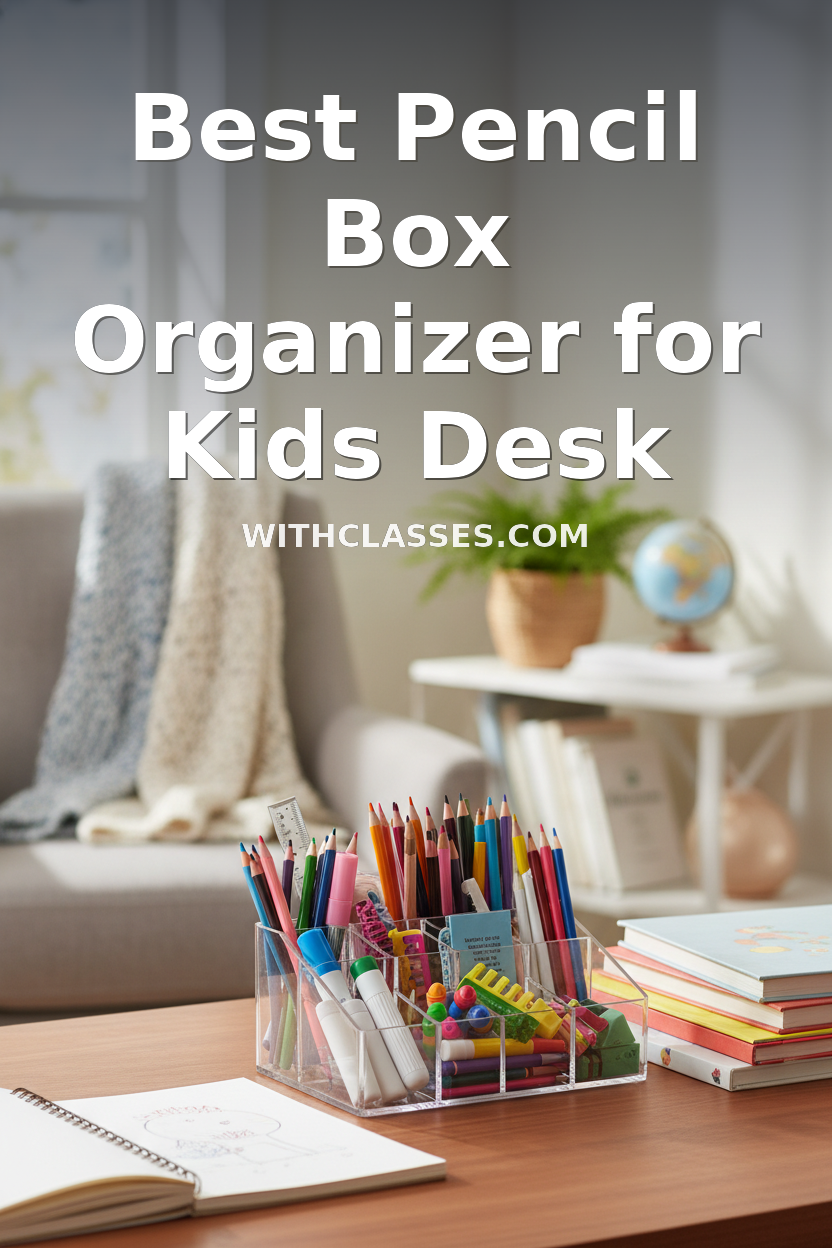
If your kid's desk looks like a craft store exploded, the right pencil box organizer genuinely changes things — and after comparing the top options, the GAMENOTE Plastic Pencil Box is our top pick for most homeschool families. It's durable, kid-friendly, and that personalized sticker detail matters more than you'd expect for keeping kids invested in their workspace.
This page contains affiliate links. As an Amazon Associate we earn from qualifying purchases at no extra cost to you.
GAMENOTE Plastic Pencil Box with Personalized Sticker
This one earns its top spot for one simple reason: kids actually care for it. The included personalization stickers let your child put their name on it, which — surprising as it sounds — makes a real difference in whether a kid treats a supply box like theirs or like furniture to ignore. The hinged lid is sturdy, opens flat without flopping, and the latch snaps shut firmly enough that it won't pop open in a bag.
It's not a multi-compartment organizer, so it won't sort your 64-pack of crayons by color. But for a single-student desk where you want pencils, erasers, and small supplies contained and accessible, this is clean and reliable. The plastic feels like it'll survive a few years of homeschool life without cracking.
Pros
- Personalization stickers boost kid ownership
- Solid hinged lid with a reliable latch
- Durable plastic — doesn't feel flimsy
- Good size for daily essentials on a desk
- Easy to clean with a damp cloth
Cons
- Single compartment only — no internal dividers
- Not ideal for large crayon collections
- Clear lid can show clutter if not tidied
Sooez 6 Pack Extra Large Pencil Box Clear Crayon Box
If you're homeschooling more than one child, or you just want to stock up for an entire curriculum year without reordering, this six-pack is where the value is. Each box is extra large — it comfortably fits a full crayon set, colored pencils, and markers side by side without cramming. The clear design means kids (and you) can see exactly what's inside without digging around.
The trade-off is build quality. These feel a step down from the GAMENOTE in terms of hinge durability — they're fine for desk use, but don't expect them to hold up to rough handling or frequent travel in a backpack. For a dedicated homeschool desk station where boxes aren't being tossed around, they're genuinely great for the price per unit.
Pros
- Six boxes — excellent value for multi-child households
- Extra large size fits full art supply sets
- Fully clear so contents are visible at a glance
- Great for color-coding by subject or child
- Latches close securely for everyday use
Cons
- Hinge feels less durable than premium options
- Not great for backpack travel — better for desk use
- No personalization feature for individual kids
- Lids can scratch over time and reduce clarity
VaeFae Bamboo Pen Holder Organizer 360 Rotating
This is a completely different type of organizer — and it belongs on this list because for older kids or dedicated homeschool desk setups, it genuinely outperforms a standard pencil box. The 360-degree rotating base means your child can spin to grab what they need without knocking over everything else. Bamboo construction looks beautiful and feels solid, and it won't scratch a desk surface.
Be honest with yourself before buying this one: it's for a child who is somewhat tidy and has a permanent desk space. If your kid does school at the kitchen table and packs up every day, this isn't practical. But for a dedicated homeschool room where the desk stays set up, this organizer turns a kid's workspace into something they're proud of — and that kind of environmental ownership matters in homeschooling.
Pros
- Beautiful natural bamboo — genuinely attractive on a desk
- 360-degree spin makes access quick and easy
- Multiple compartments keep supplies sorted by type
- Sturdy and won't tip easily
- Great for older kids with dedicated workspace
Cons
- Not portable — not a good fit for table-clearing households
- Open-top design means supplies can gather dust
- Higher price point than boxed options
- Younger kids may spin it for fun rather than function
Our Pick — What We'd Actually Buy
Here's the honest summary if you're short on time.
Frequently Asked Questions
What size pencil box is best for a child's desk?
For most kids doing daily schoolwork, a standard pencil box around 8–9 inches long is enough to hold pencils, erasers, a small ruler, and a couple of markers without taking up too much desk real estate. If your child uses a full set of colored pencils or crayons daily, look for an "extra large" option — like the Sooez boxes — which comfortably hold 40+ pieces without forcing the lid. The key is matching the box size to what your child actually needs on hand during a school session, not to everything they own.
Is a pencil box or pencil case better for a homeschool desk setup?
For a dedicated desk, a rigid pencil box wins every time. It sits flat, opens fully so your child can see everything at once, and holds its shape so it doesn't collapse under other supplies. Pencil cases are better for portability — trips to co-ops, library sessions, or any situation where your child needs to pack light. If your homeschool setup involves a permanent desk, go with a box. If your child works in different spots around the house or travels to classes, a soft-sided case makes more sense.
How do I keep my child's pencil box from becoming a junk drawer?
The honest answer: build a small daily habit rather than relying on organization systems alone. Have your child spend two minutes at the end of each school day returning items to the box. For younger kids, a pencil box with clear visibility — so they can see exactly what's inside — helps catch clutter before it builds up. Choosing a box your child personalizes or genuinely likes also helps; kids are more likely to care for something that feels like theirs. A weekly "desk reset" as part of your homeschool rhythm does more than any organizer on its own.